
Top CHRO Voice Spotlight featuring Monica Anderton
Manufacturing leaders are tasked with preparing their workforce for what comes next without losing what already makes it strong. This tension shows up everywhere - from digital adoption and frontline communication to leadership development and cultural consistency across sites.
Those who succeed engage in constant communication, build trust before introducing new tools or systems, and read culture through a mix of employee survey data, behavioral signals, and direct conversation over any one source.
In our latest Top CHRO Voice Spotlight, Monica Anderton, CHRO of the North America Packaging and Paper Division at DS Smith, shares how she rolls out new tools across a workforce that doesn’t all live online, aligns several facilities around shared standards without diluting what makes each site strong, and turns employee feedback into faster, more useful action.
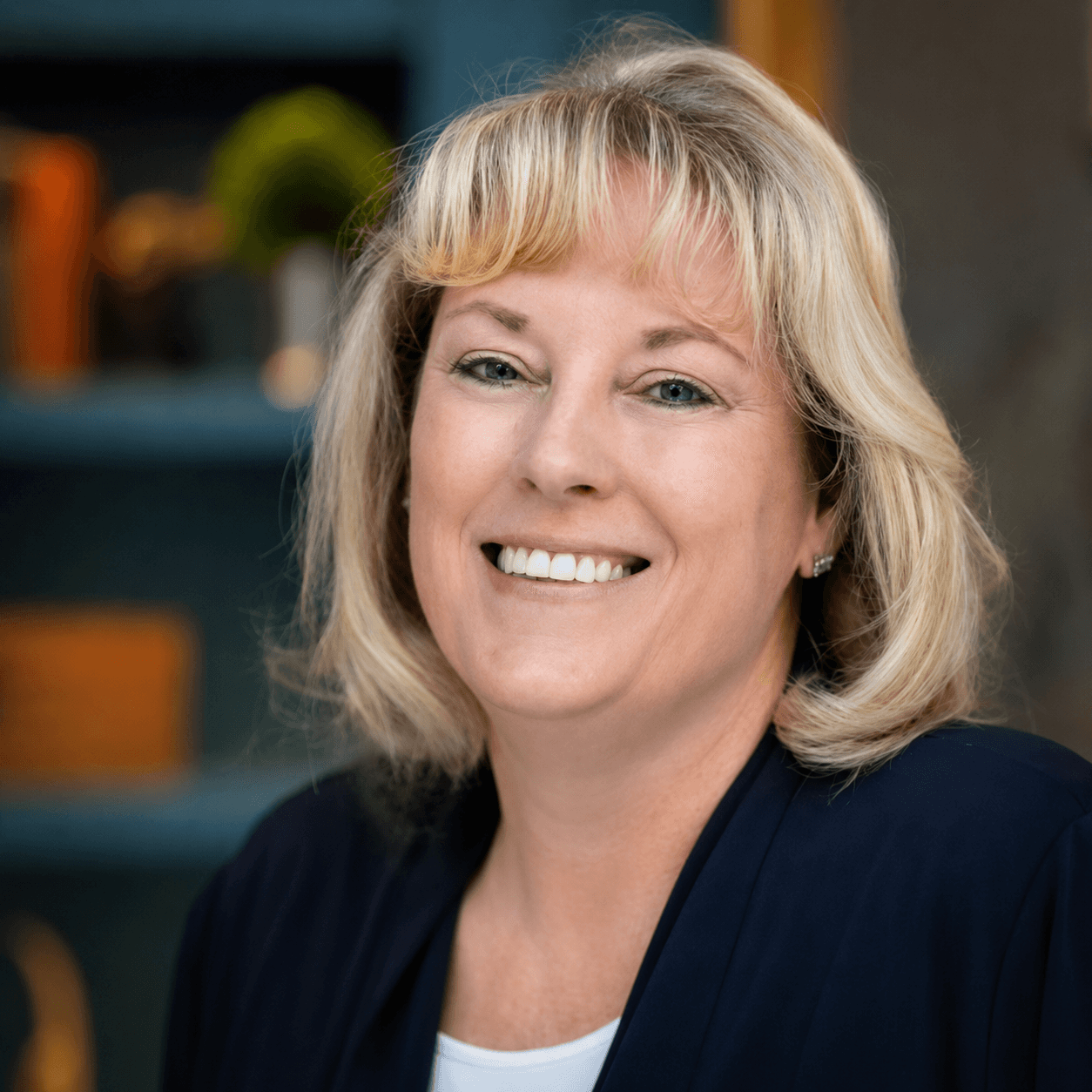
Monica Anderton, CHRO of the North America Packaging and Paper Division, DS Smith
Winning trust before asking for change
Traba: When you introduce new systems or new ways of working, what makes employees see it as progress instead of a threat?
Monica Anderton: It starts with communication and transparency. In manufacturing, that matters even more because parts of the workforce are unwired. They do not all have company email, and they are not all consuming information the same way office based teams do. So you cannot assume that one communication channel will reach everyone or resonate equally.
A lot of this work is about finding a way to connect that feels meaningful without feeling intrusive. We have used automated texts for things like plant closures, severe weather, and safety issues, but we are thoughtful about how and when we use them. The point is not to flood people with technology. The point is to introduce something useful in a way that fits their reality.
What also helps is involving long-tenured employees in the process. If you ask people to help shape the rollout, explain the why, and make them part of the how, they are much more likely to become partners instead of skeptics. It does not work every single time, but it gives you a much better chance of bringing people with you.
Meeting the workforce where they already are
Traba: What does that look like in practice when people are hesitant to adopt new tools?
Monica Anderton: You have to start with something they can relate to. For us, technology is not always about the newest thing. Sometimes it is something as straightforward as employee self-service in payroll or benefits. People want to know their pay, their benefits, their information. That gives you a very practical starting point.
And honestly, sometimes you have to help people see that they are already more capable than they think. We have employees who say they do not want to do something online, but every one of them has a cell phone. So the conversation becomes: here is the paper option if you need it, here is the phone number if that works better, and here is the app or URL if you want to try it digitally. Once you make it real and accessible, the barrier starts to come down.
You have to meet people where they are and find what resonates with them.
Reading the culture through signals that matter
Traba: What does a tangible, data-driven view of cultural health look like for you?
Monica Anderton: It has to be more than anecdotal. We use employee pulse surveys on an ongoing basis so we can measure engagement and enablement over time. That gives us a numerical view of what is happening at a site level, over six months, over a year, and across participation levels. I also care a lot about open ended questions because that is where you start to understand what people believe is working and what is not.
But I do not rely on surveys alone. I also watch benefit trends and EAP usage very closely. Who is using it, what are they using it for, and what themes are coming through? Is it stress at work? Family strain? Childcare? Those signals matter because they give you another lens into employee wellbeing.
Then you layer in what you hear directly from people through lunch and learns, skip level conversations, and stay interviews. So for me, it is never one source. It is the combination of survey data, behavioral data, and direct conversation. That is what helps you understand whether the story is lining up.
Turning feedback into action faster
Traba: What role has technology played in gathering and interpreting employee feedback more effectively?
Monica Anderton: It has changed dramatically. Years ago, you would run a survey, dump it into Excel or PowerPoint, and spend a huge amount of time just trying to organize the information. That was exhausting, and frankly it was not the best use of time.
Now the tools are getting much better. Survey data can be turned into prebuilt presentations by site, region, or enterprise level much faster. AI can also help identify themes in written comments, which is incredibly useful when you have hundreds of responses to review. We started using AI to look at anonymized written feedback and ask basic but important questions: what are the patterns, what is coming up repeatedly, and where should we focus?
That part will keep improving. But even as the technology gets better, you still need a human behind it. Someone has to look at the output and ask whether it makes sense and whether it matches the reality of the business. The value is that it frees you up to spend less time manipulating data and more time deciding what action to take.
Building one company across many sites
Traba: What helped you judge whether integration was really working during a merger and leadership transition?
Monica Anderton: When I came into DS Smith, the assets in the U.S. had already been acquired, but the integration was not moving at the pace the business expected. The branding was there, but we were not yet leveraging the systems, infrastructure, data, talent, or ways of working in the way we needed to. So it was clear that we had a gap to close.
The first step was creating a focused strategic plan. We identified the key areas to tackle because there was too much to do all at once. I had strong executive sponsorship from the beginning, and that mattered. We also formalized the work. We brought in project management support, created clear expectations, and communicated very openly across the organization about what we were doing and why.
From there, we looked at everything at the facility level—talent, operations, logistics, supply chain, all of it—to understand what needed to improve and what had to change in order to operate as one company. The integration worked better when expectations were visible, progress was structured, and people understood the direction of travel.
Keeping local strength while creating shared standards
Traba: What does it take to align culture across multiple facilities without flattening what makes each site strong?
Monica Anderton: It is hard, and it does not happen quickly. Communication is a huge part of it, but so is leadership alignment. Local teams have to believe in the same values and cultural direction that the executive team is setting. If each site is operating like its own company, you will never get the consistency you need.
That was one of the early challenges. It said DS Smith on the wall, but many places were still operating with the habits and systems of the legacy organization. We had to do a lot of work around expectations, shared values, and what the company was asking leaders to model.
We brought people together in strategic meetings. We created cross plant projects. We built forums for best practice sharing around safety and operations. When you put people together to solve real problems, you start to break down silos. You also start to show, not just say, what collaboration and trust are supposed to look like.
And yes, some people embraced that and grew. Some people did not. That is part of the reality of change. But there were also people who advanced because they aligned with where the business was headed.
Spotting leaders who can grow with the business
Traba: When you are evaluating internal talent for bigger roles, what tells you someone is ready?
Monica Anderton: We look for people who embody our values. At DS Smith, those include being caring, challenging, trusted, responsive, and tenacious. We want to see evidence that someone can lead people, deliver results, and operate effectively in our environment.
We also use assessments as one data point. I like them because they can give you insight into areas like communication agility, reasoning, and financial acumen. In manufacturing, the margins are tight, and leaders need to understand cost, operations, and business performance. So the assessment is not about pass or fail. It is about understanding where someone is strong and where they may need support.
If a leader has clear strengths but could use mentoring in a certain area, that is valuable information. It helps you make the promotion more successful because you are not pretending development gaps do not exist.
Learning from every stop along the way
Traba: You have led across multiple companies. What has shaped the way you lead now?
Monica Anderton: I think you take something from every experience. You take the best of what you have seen and try to replicate it. You also take the things that did not work and make sure you do not repeat them.
I am a big believer in sharing ideas and learning from peers. I have been fortunate to work in some very interesting environments, and one of the biggest themes that has stayed with me is sustainability. My first manufacturing role gave me exposure to a company with a very strong sustainability agenda, and that stuck with me. It matters to me personally, and it is part of what drew me to DS Smith as well.
You learn from leadership styles, from business priorities, and from the kind of mission a company has. Those things shape the work and shape what kinds of people you want to bring into the organization.
Advice for the next generation of CHROs
Traba: What guidance would you give an aspiring HR executive or a newly promoted CHRO?
Monica Anderton: Listen and ask a lot of questions. And keep learning. The business world is changing too fast to stand still, especially with AI and everything happening around it. Even in organizations that are being careful about adoption, it still matters to understand what is possible.
You need to know your own business, but you also need to know what is happening in the businesses around you. Curiosity matters. Staying current matters. The leaders who keep learning are the ones who stay effective.
The first move that gets real traction
Traba: For leaders trying to bring more digital capability into the workforce, where is the best place to start?
Monica Anderton: Start with something employees already care about. If you can, begin with the HR system, payroll, benefits, employee self service. Those are areas where people immediately understand the value because they use them in their own lives.
Then bring employees into the effort early, including some of the people who are most skeptical. Put them on the project team. Let them help shape it. Sometimes the biggest naysayers become your strongest champions once they feel included and respected.
The most important thing is to pick something people can rally around. Change is hard, so you have to make it feel relevant. You have to break down the barrier and connect the change to something people already understand.
Closing perspective
Traba: If you had to sum up your leadership approach in one line, what would it be?
Monica Anderton: Meet people where they are, communicate clearly, and help them see what is possible.
The Top CHRO Voice Spotlight series exists to surface leadership perspectives like these, not as theory, but as practice. By elevating leaders who treat people strategy as core to operations, the series reflects how the most durable brands are built and sustained.